(3 min. read)
We all yearn for increased productivity, whether in our personal lives, workplaces, or teams.
Capitalist countries, especially The United States, heavily consider the quality, speed, and efficiency of outputs that people or companies are capable of producing.
This is why there is tons of information, tips, tricks, and education on how to increase productivity, and people are willing to pay a pretty sum to learn.
None, however, have been so simple and yet so effective as Ivy Lee’s $25,000 ($778,830.81 in today’s money) idea.
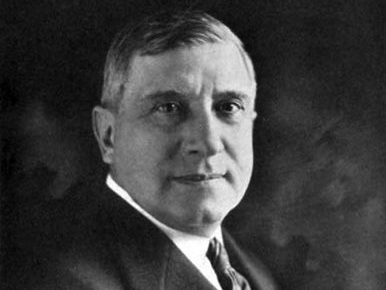
In 1918, Charles M. Schwab, steel mogul and shipbuilder, called in Ivy Lee to consult he and his executives for the purpose of increasing efficiency and productivity at Bethlehem Steel Corporation.
As the story goes, Schwab brought Lee into his office and told him,
“Show me a way to get more things done.”
Schwab explained that he knew what they had to do in terms of tasks, but if he had a better way of completing them he would pay him anything he asked within reason.
Lee simply replied, “Give me 15 minutes and I will tell you a way to increase your productivity by 50%.”
When Schwab asked about the cost, Lee stated that after Schwab convinced himself of the system he was about to share, then he should have his people try it, and try it as long as they’d like. After that, Lee said to send him a check of however much Schwab thought the idea was worth.
He handed Schwab a blank sheet of paper and told him to write down the six most important things he had to do tomorrow.
After Schwab did as he was told, Lee then told him to rank them in order of importance to him or to the company.
“Now put the paper in your pocket. And the first thing tomorrow morning is to take it out and look at item number one. Don’t look at the others, just number one, and start working on it. And if you can, stay with it until it’s completed. Then take item number two the same way, then number three, and so on, till you have to quit for the day.
“Don’t worry if you’ve only finished one or two; the others can wait. If you can’t finish them all by this method, you could not have finished them with any other method. And without some system, you’d probably take 10 times as long to finish them and might not even have them in the order of their importance.”
Lee then left Schwab to try this idea. After a few weeks, he got a letter in the mail.
Schwab said in this letter that this lesson was the most profitable, from a money standpoint, that he’d ever learned in his life.
Attached to this letter was a check for $25,000.
It was later said that in five years this was the strategy most responsible for the turning of a little-known steel company into one of the biggest independent steel producers in the world.
This is the invaluable idea, the idea of taking things one at a time in their proper order, of staying with one task until it’s successfully completed before going onto the next.
By embracing the simplicity and power of Ivy Lee’s method, you can unlock your own path to increased productivity, freeing yourself from endless to-do lists and prioritizing the things that will actually move your life forward.
 Ashton Nichols
Leave a comment